
Mechanical Reasoning Assessment for Hiring
Assess a candidate’s understanding of mechanical principles, force, and how machines and tools work before making a hiring decision.
- Format
- Structured assessment
- Time
- Role dependent
- Result
- Structured overall and dimension-level evidence
Two gears of different sizes are connected. If the smaller gear turns clockwise, which way does the larger gear turn?
Representative example—not a live assessment item. The response pattern shows the kind of job-relevant evidence the assessment creates.
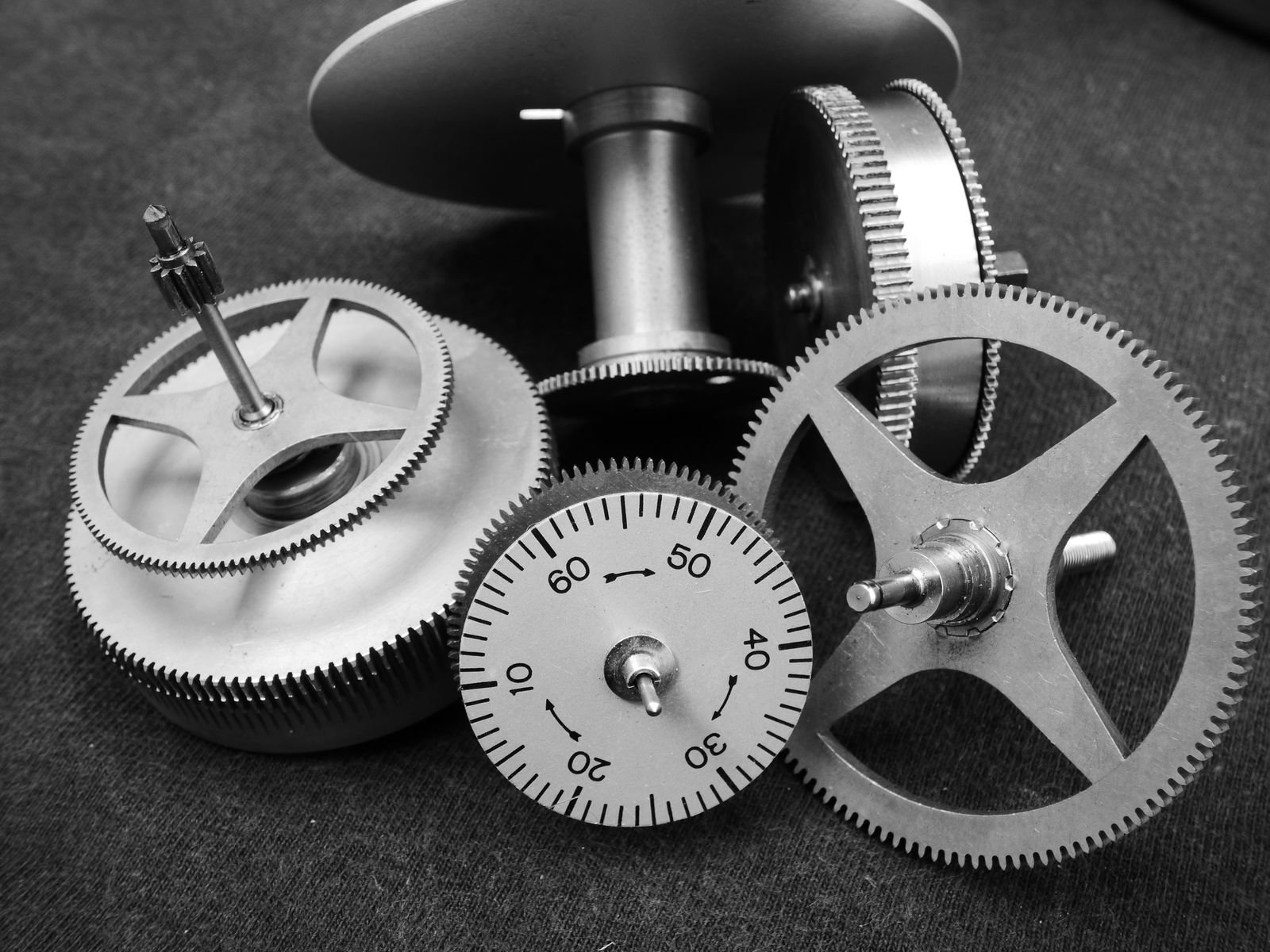
What is a mechanical reasoning assessment?
A mechanical reasoning assessment measures how well a candidate understands basic physical and mechanical principles — force, motion, leverage, gears, and how simple machines interact — and applies that understanding to practical, real-world scenarios.
Employers use it because it predicts how well a candidate will diagnose mechanical problems, work safely around machinery, and reason through physical cause-and-effect on the job. It sits early in the hiring process for technical, maintenance, and manufacturing roles.
The result tells you how comfortably a candidate reasons about physical systems — a strong signal for hands-on technical roles, best combined with role-specific skills evidence.
What does the assessment measure?
See the defined dimensions separately, so strengths and areas to verify are easier to discuss before the interview.
Mechanical Principles
Understanding how levers, pulleys, gears, and simple machines work.
Force & Motion Understanding
Predicting how objects move and interact under basic physical forces.
Tool & Machine Logic
Reasoning through how a tool or machine’s components work together to produce an outcome.
Applied Physics Judgment
Applying practical physics judgment to diagnose or predict a mechanical outcome.
What candidates can expect
Candidates complete 24 multiple-choice questions in about 12 minutes. Each question shows a simple diagram — gears, pulleys, levers, or ramps — and asks candidates to predict an outcome, such as which direction a gear turns or which setup requires less force.
The test is timed overall, not per question. Instructions and a short practice example appear before the timed section begins, and a progress indicator shows how many questions remain.
More sample questions
Representative examples created for this page, not questions from the live assessment bank. Open each item to compare the options and review the answer.
Force & Motion UnderstandingA ball rolls down two ramps of the same height but different angles. Which ramp results in the ball reaching the bottom faster?
- Athe steeper ramp
- Bthe shallower ramp
- Cboth the same
- Dcannot be determined.
Correct answer: A. A steeper ramp increases the component of gravitational force along the incline, accelerating the ball faster.
Tool & Machine LogicA pulley system uses two wheels to lift a weight. Which change would require less effort to lift the same weight?
- Afewer pulleys
- Badding an additional pulley wheel
- Ca shorter rope
- Da heavier rope.
Correct answer: B. Adding a pulley wheel increases mechanical advantage, spreading the load and reducing the effort needed.
Applied Physics JudgmentA lever is used to lift a heavy object, with the fulcrum positioned closer to the load. What happens to the effort needed compared to the fulcrum being centered?
- Aeffort increases
- Beffort decreases
- Cno change
- Dthe lever cannot be used.
Correct answer: B. Moving the fulcrum closer to the load increases the mechanical advantage on the effort side, reducing the force needed.
When to use a mechanical reasoning assessment
Use this assessment when a role involves diagnosing equipment problems, working safely around machinery, or reasoning through physical cause-and-effect on the job.
Before interviews
Screen candidates for maintenance, manufacturing, or technical roles before investing interviewer time.
During candidate screening
Pair with a hands-on technical or trade skills test for a fuller picture of readiness.
When comparing finalists
Compare dimension-level results to see who reasons most reliably through physical, mechanical problems.
Roles where mechanical reasoning matters
Maintenance Technician, Manufacturing Operator, Automotive Technician, Field Service Engineer, Warehouse Equipment Operator, and HVAC Technician.
How the Mechanical Reasoning Assessment is scored
Correct responses contribute to the candidate’s raw score. Questions are grouped according to the abilities measured, allowing results to be interpreted overall and by dimension.
How should employers interpret mechanical reasoning results?
Strong indicates consistent, accurate reasoning about mechanical and physical systems. Moderate indicates solid performance with some inconsistency on more complex physical scenarios. Developing indicates the candidate found mechanical or physical reasoning problems difficult within the time given.
A lower result should not automatically determine a hiring decision. Assessment results should be considered alongside interviews, experience, and other job-relevant information.
What you receive after a candidate completes the assessment
View Sample Candidate Report- You receive a candidate report covering the overall result, a breakdown by each of the four dimensions, notable strengths, areas to verify further at interview, a plain-language interpretation of what the result means, and suggested interview questions tied to any weaker areas.
- View sample report →
Interview questions for evaluating mechanical reasoning
“Tell me about a time you had to figure out how a piece of equipment worked before you could fix or operate it.” (Mechanical Principles)
“Describe a situation where you predicted how a physical system would behave before testing it.” (Force & Motion Understanding)
“Walk me through how you diagnosed a mechanical or equipment problem by reasoning through how its parts worked together.” (Tool & Machine Logic)
“Give an example of applying a physics or mechanical principle to solve a practical, hands-on problem.” (Applied Physics Judgment)
“Tell me about a time you had to work safely around machinery or equipment under time pressure.”
“Describe how you approach learning a new piece of equipment or machinery you have not used before.”
Assess mechanical reasoning alongside other skills
- For maintenance and technical hiring: Mechanical Reasoning, Spatial Reasoning, Attention to Detail, and Problem Solving.
- For manufacturing roles: Mechanical Reasoning, Situational Judgment, and Integrity & Ethics.
- For field service roles: Mechanical Reasoning, Customer Service, and Communication Skills.
How the assessment is developed
This assessment is developed using established principles of job-relevant item design. Its questions are built around four defined mechanical reasoning dimensions and realistic physical scenarios such as gears, levers, pulleys, and ramps.
We do not currently have a formal independent psychometric validation study, an established normative sample, or a published reliability coefficient for this assessment.
Appropriate use means combining results with interviews, safety records, and hands-on trade evidence rather than using this test as a sole hiring filter.
Frequently asked questions
What is a mechanical reasoning assessment?
A test that measures a candidate’s understanding of mechanical principles, force, and how machines and tools work.
How long does the assessment take?
About 12 minutes for 24 multiple-choice questions.
What does a mechanical reasoning test measure?
Mechanical principles, force and motion understanding, tool and machine logic, and applied physics judgment.
Which jobs require strong mechanical reasoning?
Maintenance, manufacturing, automotive, field service, and other hands-on technical roles.
How are candidates scored?
By raw score overall and by each of the four dimensions, shown as Strong, Moderate, or Developing.
Can I use this assessment before an interview?
Yes, most employers use it as an early screening step before or alongside first-round interviews.
Should assessment results determine whether someone is hired?
No. Results should be considered alongside interviews, experience, and other job-relevant information, not used alone.
Can I combine this with other candidate assessments?
Yes. It pairs well with Spatial Reasoning, Attention to Detail, and job-specific trade or technical assessments.
Roles That Commonly Use This Assessment
This assessment is most useful when its evidence matches a role requirement. These role guides include Mechanical Reasoning in a broader, job-related hiring plan.
Use it in context. Match every assessment to a job requirement, combine complementary evidence, and verify important gaps in a structured interview or practical exercise. How to choose a focused battery.
Explore Mechanical Reasoning before the interview.
Contact our team to start your Mechanical Reasoning assessment and get structured results for more focused interviews.